Home Septic System Design
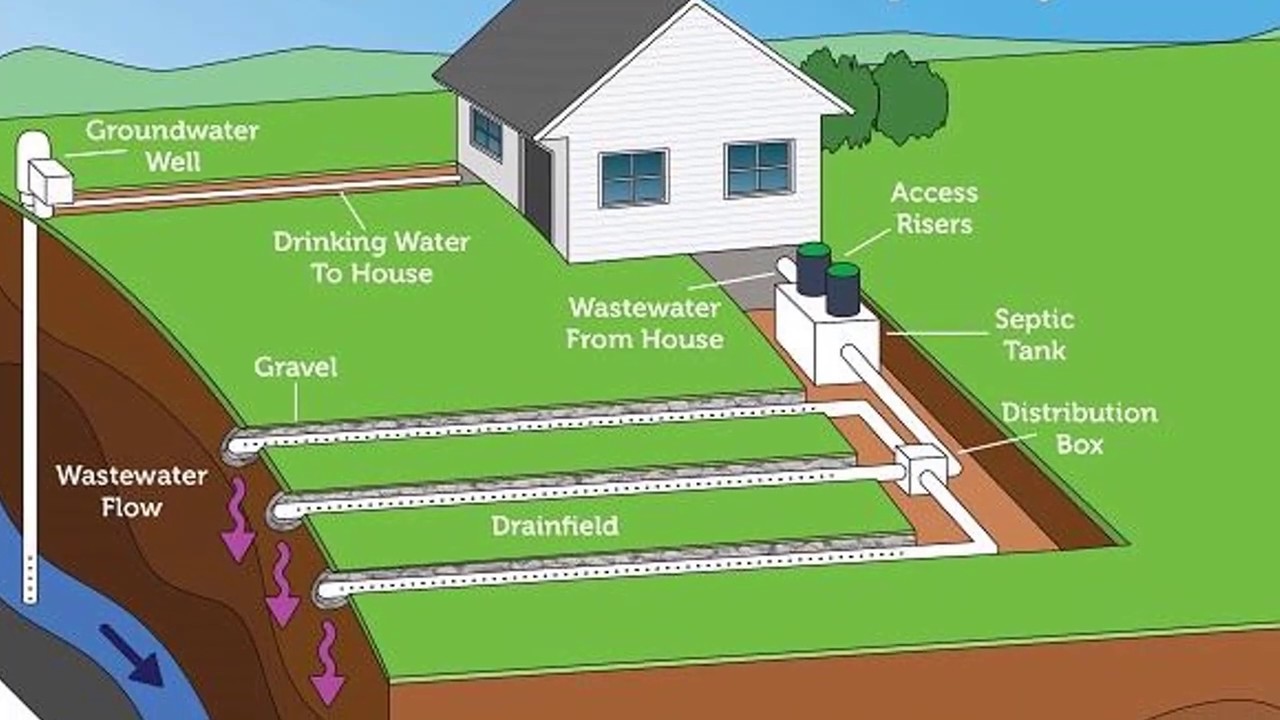
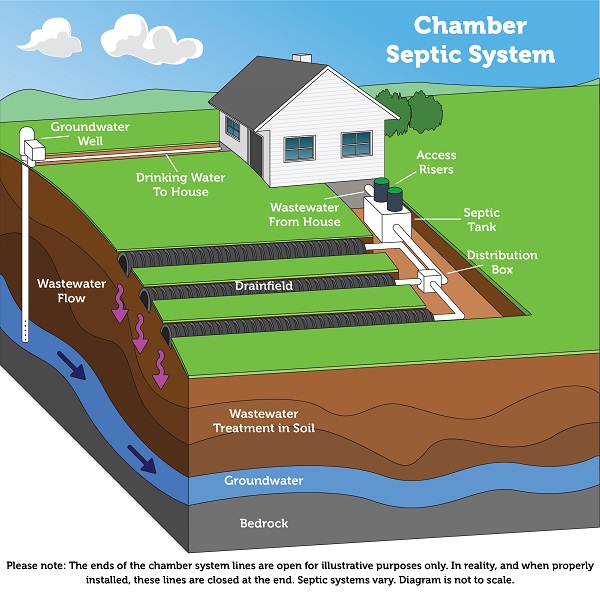
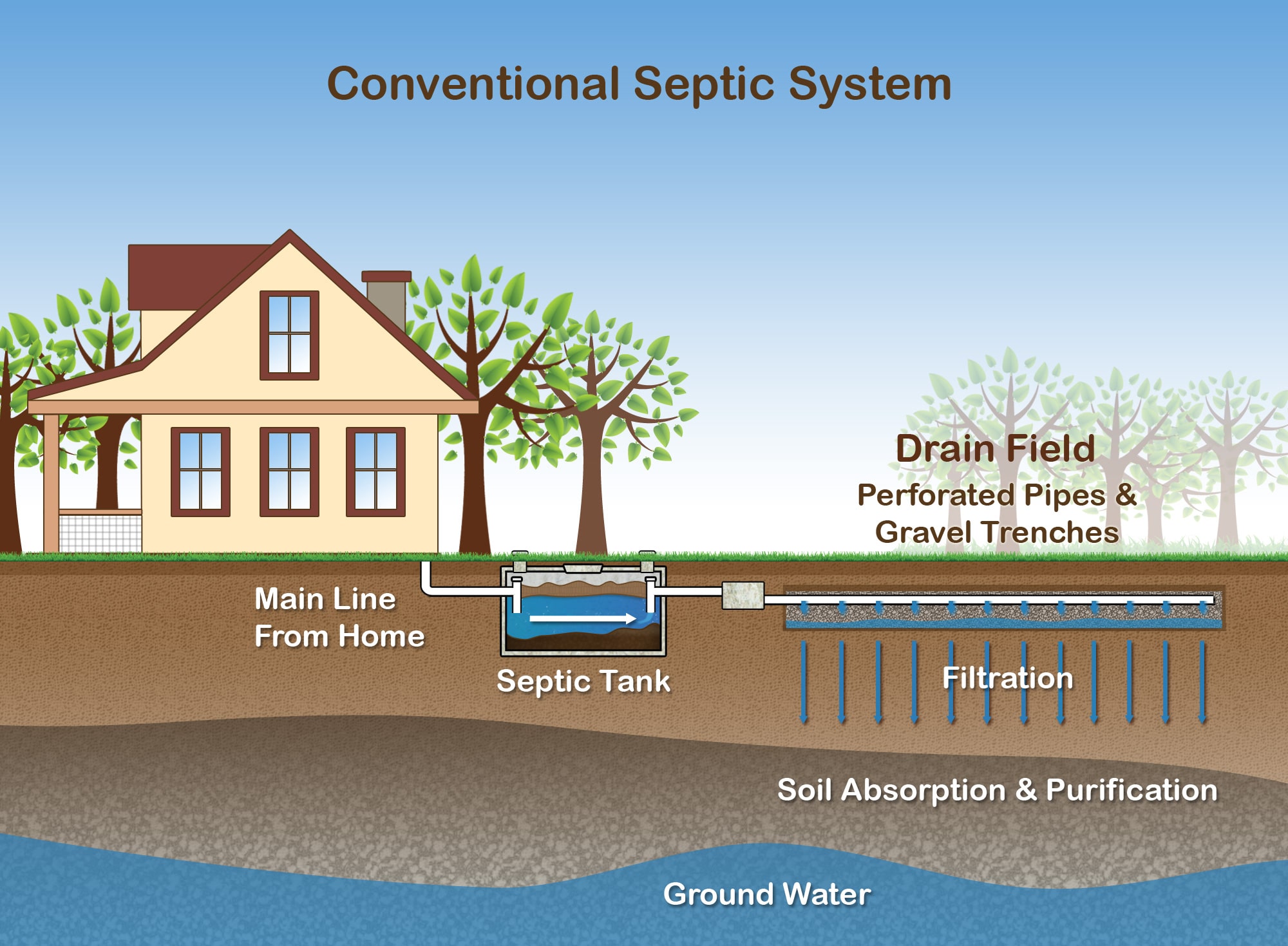
A septic tank and a leachfield or drainfield. Web a septic system uses natural processes to treat and dispose of sewage. Web in this article, we’ll explore different aspects of septic design, including soil evaluation, tank sizing, distribution methods, and maintenance. Some of the illustrations also show why septic systems, particularly drainfields may not be working. Web a typical septic system has four main components:
A septic system has two components: Web designing a septic tank system is crucial for efficiently managing wastewater in areas without access to centralized sewer systems. Web septic system design parameters such as finding the recommended septic tank volume and conventional recommended leach field or drainfield size, along with some notes on how to calculate these from simple water usage and site conditions are discussed here and in our basic design articles. Web septic system design and size can vary widely, from within your neighborhood to across the country, due to a combination of factors. Web this article explains how to determine the size and type of septic leachfield or soakaway bed or drainfield needed at your property and we give helpful.
There are many different types that you can go with. Web septic designs vary from home to home depending on the size of the lot, soil type, slope of the ground, proximity to nearby bodies of water, climate, and more. The system shown here is a small system, designed for limited use by two people with no laundry. These factors include household size, soil type, site slope, lot size, proximity to sensitive water bodies, weather conditions, or even local regulations. In this post, we’ll take a look at the 5 most popular ones, and we’ll discuss the pros and cons of each.
Basic Septic System Layout

Septic Design & Consulting Meyer And Sons

How To Build a LowCost DIY Septic System the RIGHT Way YouTube
Types of Septic Systems US EPA
All About Septic Systems Dengarden
How to Install a Septic System The Original Plumber & Septic
How to Install a Septic System The Original Plumber & Septic

Septic System Design Septic Tank Care
Septic Tank for House Design Principle and Size Calculations Happho
How Does My Septic System Work? Peak Sewer
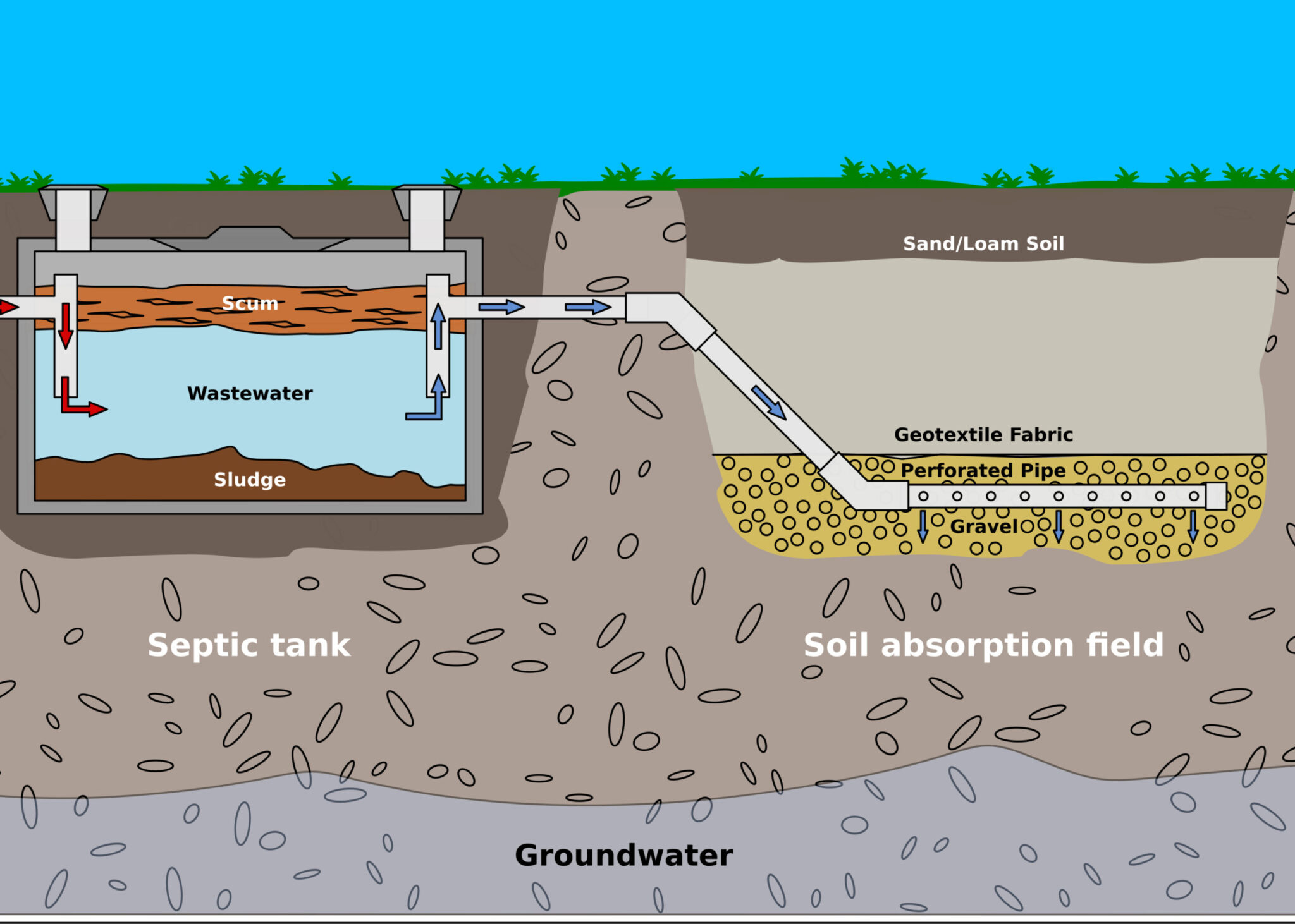
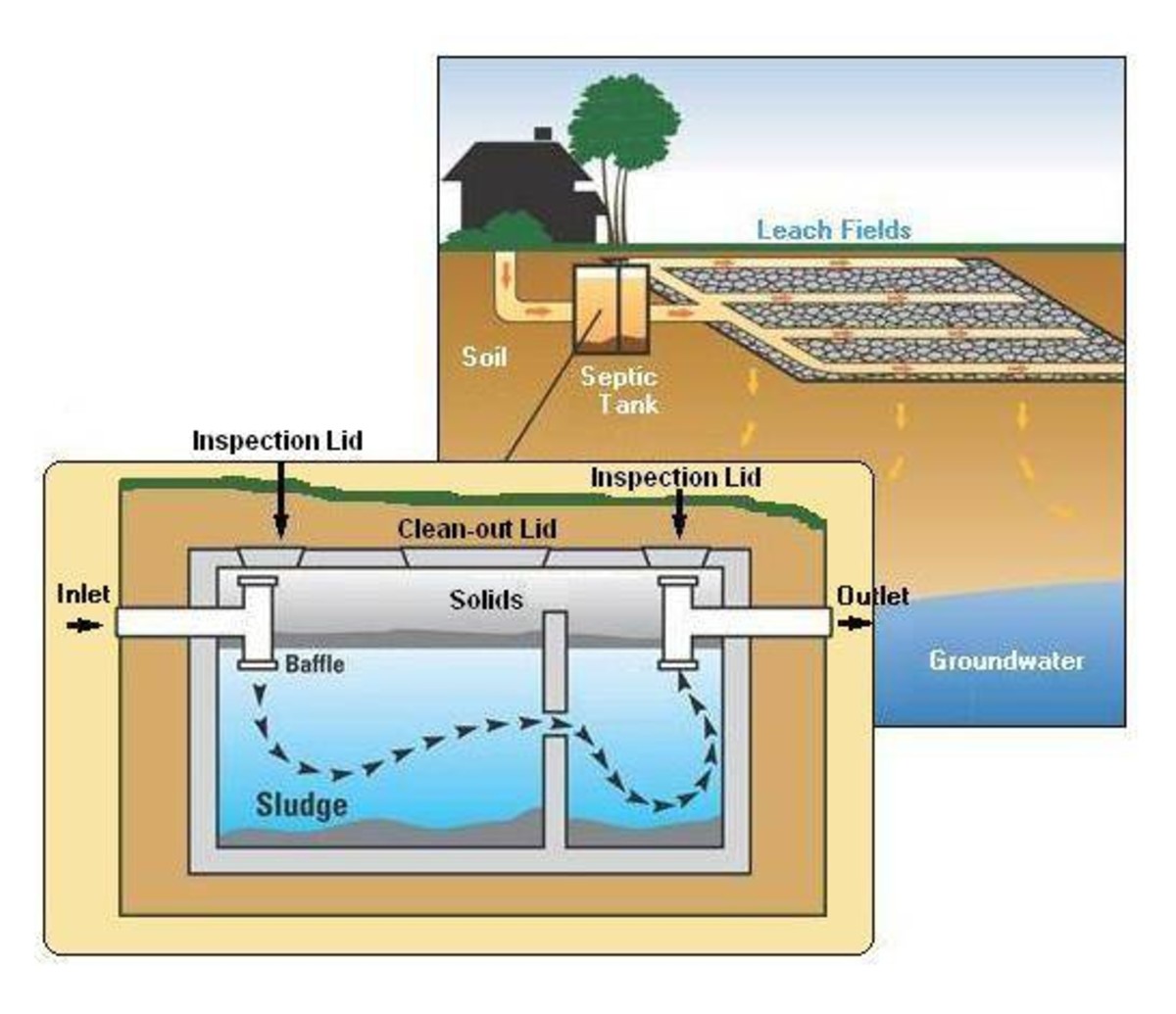
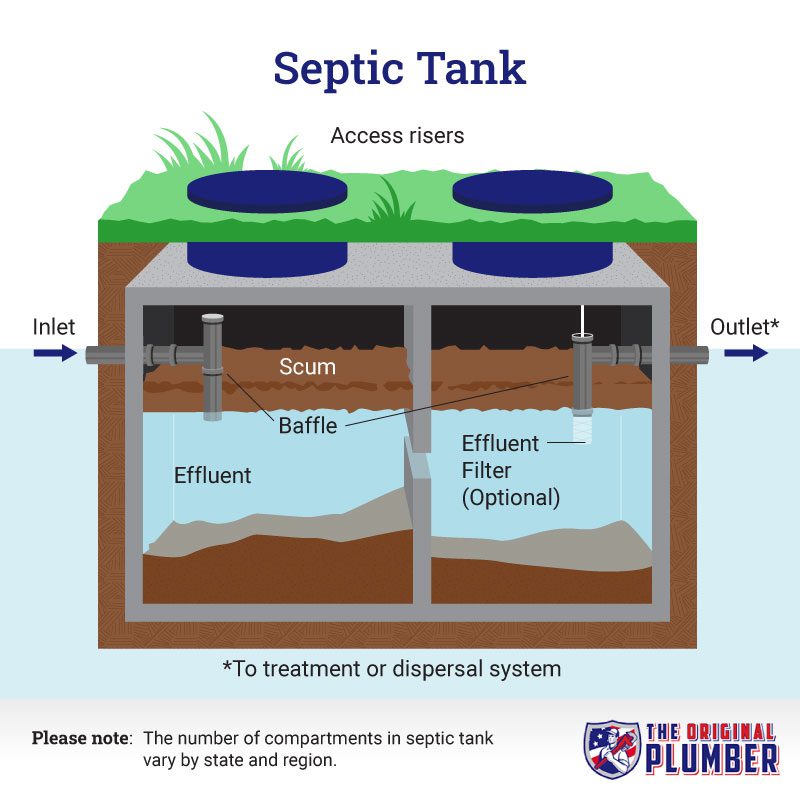
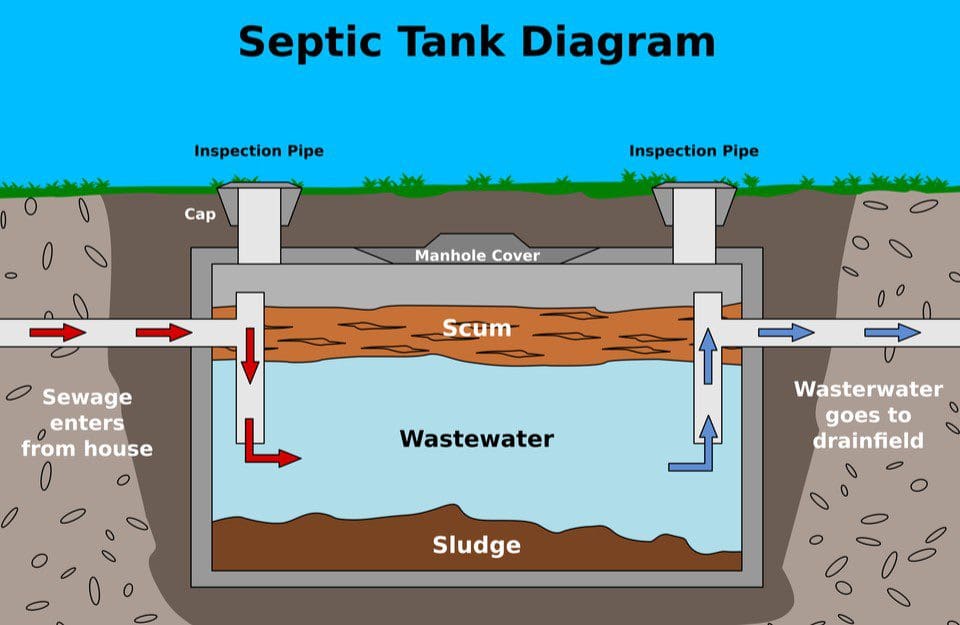
They tend to be better for the environment because they rely on naturally occurring bacteria to dispose of waste rather than chemicals. This is called a conventional system. Web posted on july 27, 2019. Web as the first holding tank fills up, the liquid waste will transfer to the second tank. Web discover friendly septic system design and consulting services for homeowners, builders, and commercial needs. Web septic system design parameters such as finding the recommended septic tank volume and conventional recommended leach field or drainfield size, along with some notes on how to calculate these from simple water usage and site conditions are discussed here and in our basic design articles. A septic system has two components: The effluent consists of blackwater (toilet wastes) and greywater (kitchen sink, bathtub and laundry wastes). Web these septic system illustrations help readers understand, identify, and possibly even locate buried onsite wastewater disposal and septic tank equipment at properties. Ensure your home's wastewater system runs smoothly for years to come! As waste is flushed down the drain, it travels down the waste pipe to the tank where it separates, breaks down, and eventually ends up back into the soil. Web this article explains how to determine the size and type of septic leachfield or soakaway bed or drainfield needed at your property and we give helpful. This list describes nine types of septic tanks and designs,. These factors include household size, soil type, site slope, lot size, proximity to sensitive water bodies, weather conditions, or even local regulations. Web take a little time to understand septic system design, and you’re sure to save a bundle of money in the long haul.
This Is Called A Conventional System.
We’ll also delve into the importance of proper site assessment and the role of technology in enhancing septic system performance. As waste is flushed down the drain, it travels down the waste pipe to the tank where it separates, breaks down, and eventually ends up back into the soil. A pipe from the home, a septic tank, a drainfield, and the soil. Web this article explains how to determine the size and type of septic leachfield or soakaway bed or drainfield needed at your property and we give helpful.
Web A Typical Septic System Has Four Main Components:
These factors include household size, soil type, site slope, lot size, proximity to sensitive water bodies, weather conditions, or even local regulations. Web take a little time to understand septic system design, and you’re sure to save a bundle of money in the long haul. Web in this article, we’ll explore different aspects of septic design, including soil evaluation, tank sizing, distribution methods, and maintenance. A septic system is an onsite wastewater treatment system that processes and purifies household waste (effluent).
Web Posted On July 27, 2019.
Web these septic system illustrations help readers understand, identify, and possibly even locate buried onsite wastewater disposal and septic tank equipment at properties. Learn about design and maintenance issues critical or good performance. The effluent consists of blackwater (toilet wastes) and greywater (kitchen sink, bathtub and laundry wastes). Web a septic system is an underground network of pipes that handles the waste from your home’s sinks, toilets and drains if not connected to a municipal sewer line.
Web If You're Constructing A New Home Or Office Building, You May Have Given Thought To Septic System Design But Aren't Sure Where To Start.
Permitting and inspection of ostds is handled by the environmental health section of the florida department of health in each county. Web a septic system consists of piping running from the home’s drain system to a sealed tank, and then out to a series of pipes called leach pipes. A septic tank and a leachfield or drainfield. Web the design and size of a septic system can vary widely, from within your neighborhood to across the country, due to a combination of factors.