Designing A Home Network
Joining your network to the internet. Each will have a network diagram, an overview of the pros and cons, and some tips on how to set it all up. Web consider your router. Web this is very easy to configure as all you really need to do is choose the uplink port (shared port) and enable it. The best option depends on the home situation.
Before you go out to purchase new hardware, you should have a general idea about what you should get. Here are six home network diagrams to help achieve full connectivity. Web building a secure home network: This article explains 12 different layouts using diagrams. Web the basic home network will create a wireless network and wired network for any devices that need internet.
The only problem with wired ethernet connections is that you will have to pull the cables through your house, preferably through the walls. Web building a secure home network: There are several key components in a home network: How much power do you need? The modem, the router, any extensions you may need, ethernet cables for wired connections, and the devices you’ll be connecting.
Design The Perfect Home Networking Panel The Construction Academy

Guide to Build Up Home Network Orenda Medium
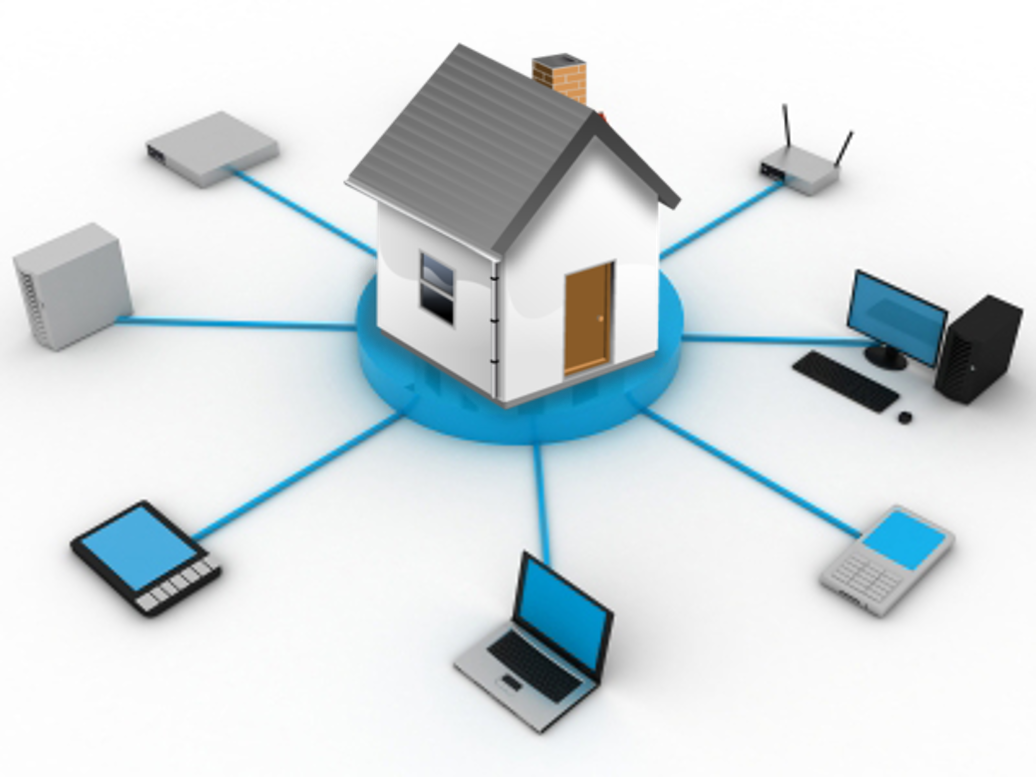
How to Build and Maintain the Very Best Home Network

Home Network Diagrams Practically Networked
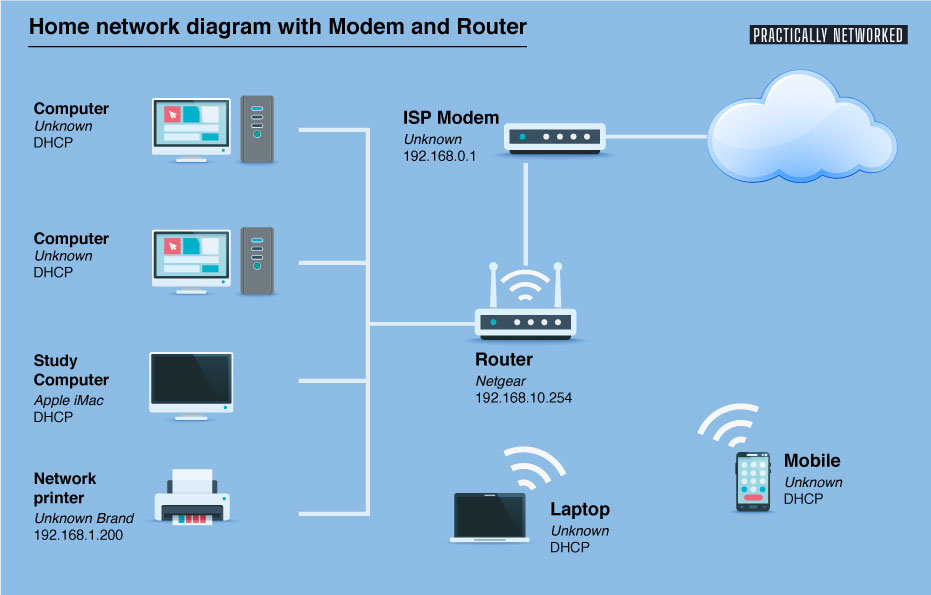
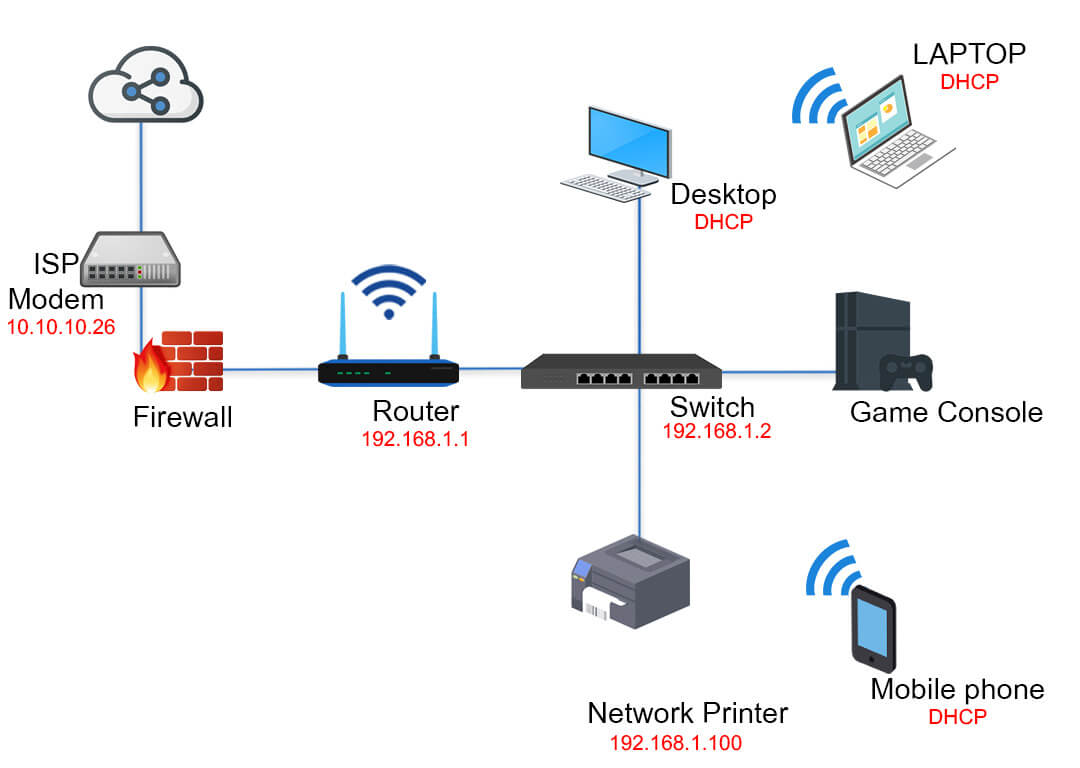
8 Effective Home Network Setup Diagram For Your House In 2023 Smart
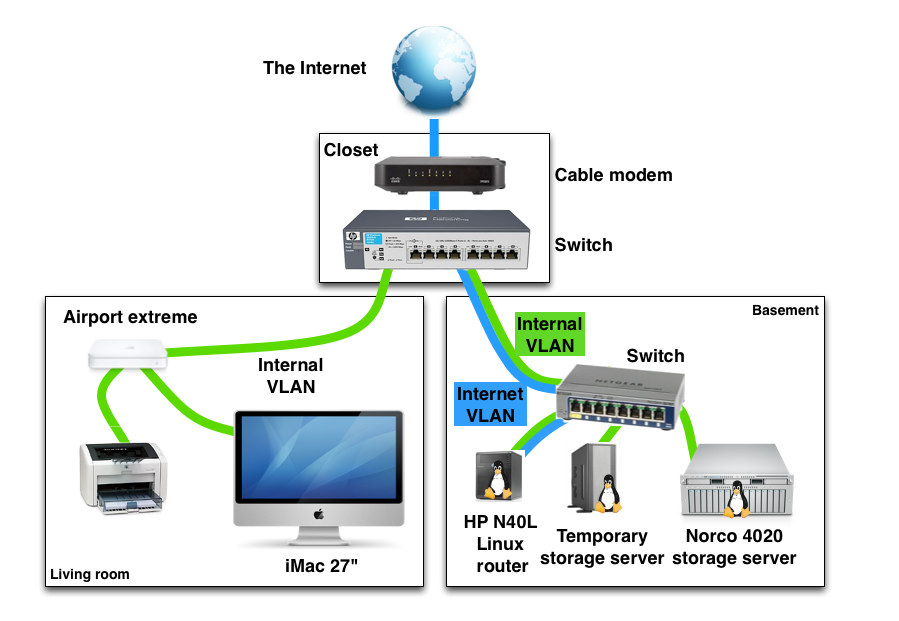
Example of a home networking setup with VLANs
Beyond WiFi How a Home Network Improves Household Connectivity
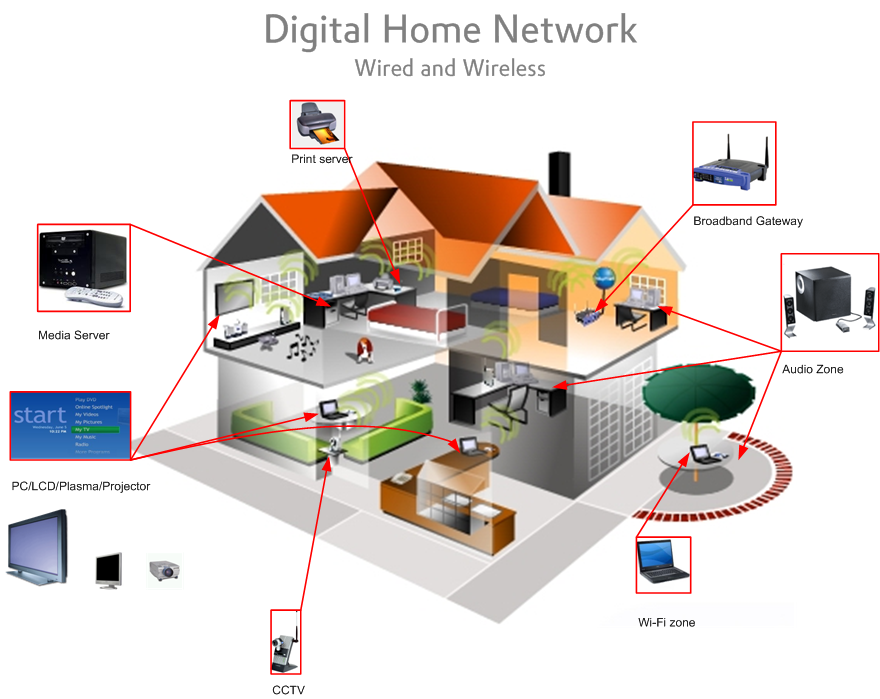
Home Networking
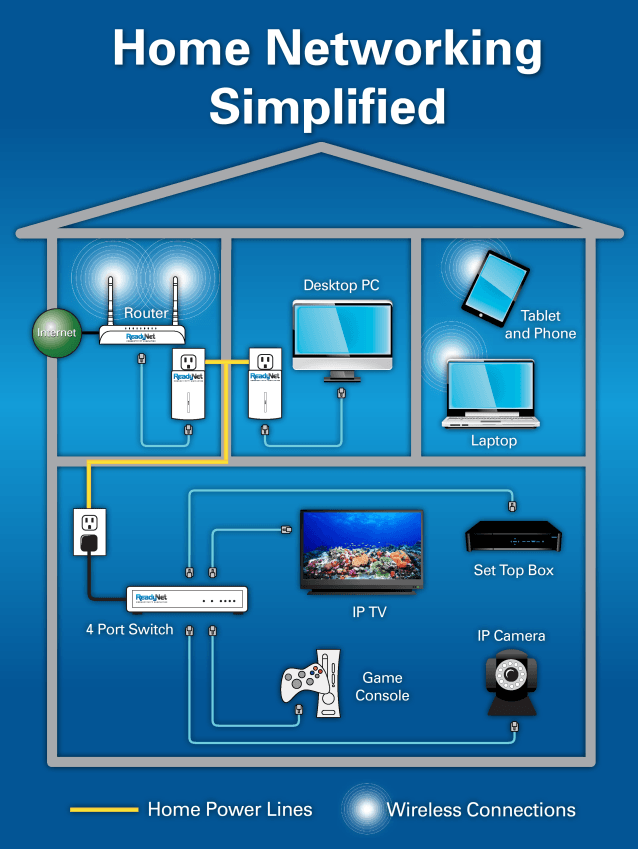
Home Network Diagram All Network Layouts Explained
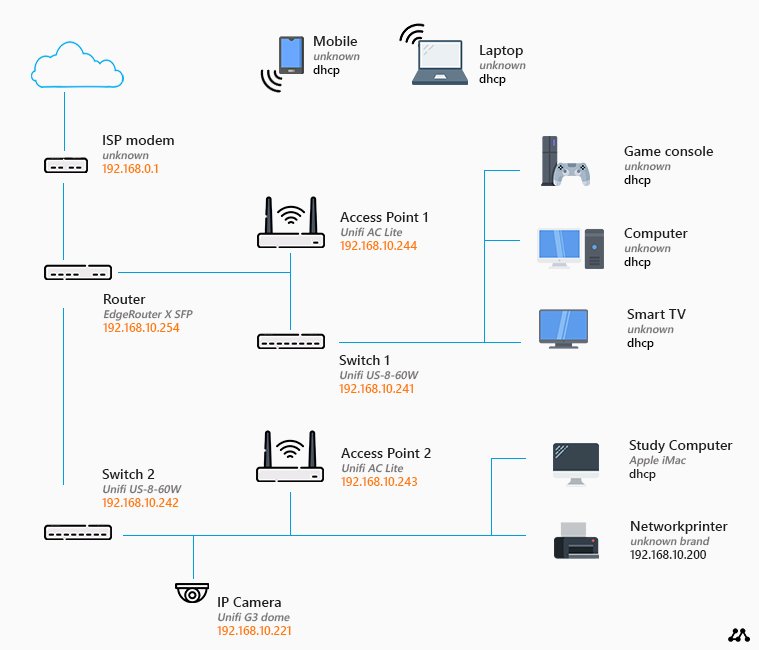
Home Network Design Part 1 Black Hills Information Security
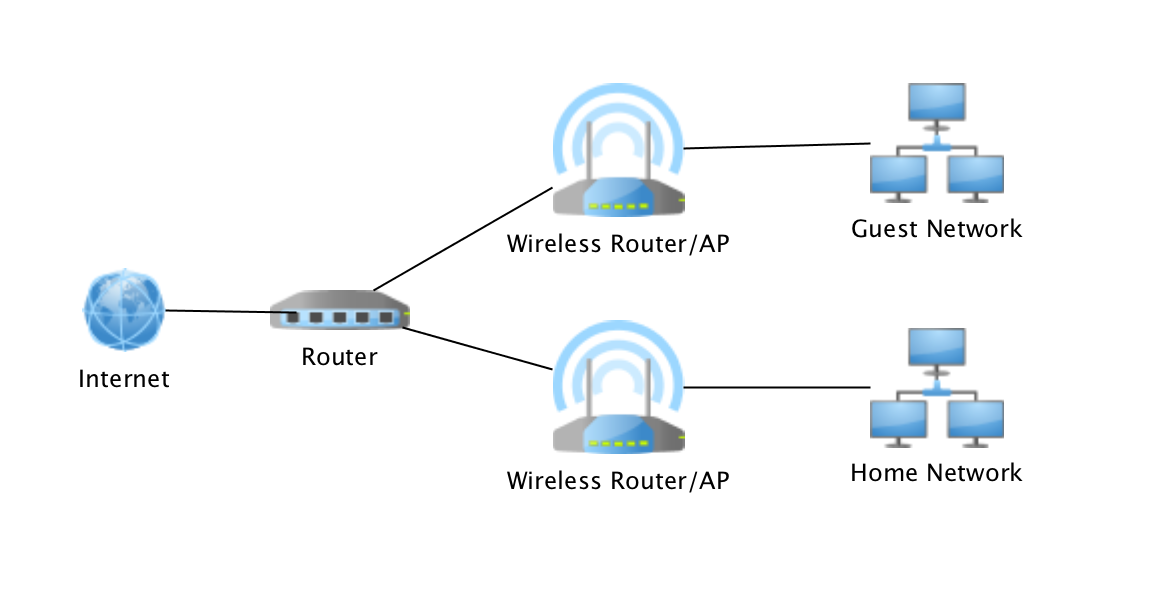
Research, choose, and install good wireless gear. Web this made me center my brand new home network design around 10g connections. The best option depends on the home situation. It teams enter this information in the network design application to create. Web a home network diagram is a schematic drawing of a home network layout. Install broadband router and broadband modem hardware separately; But home network diagrams are also used as part of network documentation. Do not use internet gateways. Connects isp network to your home, translating analog data to digital. Web designing a home network can be a complex task, as it involves considering various factors such as the number of devices, their types, and the desired level of connectivity. How much power do you need? Design, install, and configure a wireless network. Set up a guest network. There are several key components in a home network: Web save money, share resources, and create a home network.
Web Want To Set Up A Robust Home Network That Leaves No Dead Spots?
How much power do you need? Each network diagram includes a description of the pros and cons of that layout and tips for building it. Create an isolated guest network. Why you need a network switch.
The Only Problem With Wired Ethernet Connections Is That You Will Have To Pull The Cables Through Your House, Preferably Through The Walls.
Web designing a home network can be a complex task, as it involves considering various factors such as the number of devices, their types, and the desired level of connectivity. This gallery contains network diagrams for wireless, wired, and hybrid home networks. For example it can be used to: But home network diagrams are also used as part of network documentation.
Web A Wired Ethernet Connection Will Give You The Highest Throughput (Speed), The Lowest Latency, And The Most Stable Network Connection You Can Get In Your Home.
What is your network used for? Setting up a home network: Then how you can set it up to get the best home network with great performance. Here are six home network diagrams to help achieve full connectivity.
That And The Municipal Isp Here Offers 10G Symmetric Residential, So It Made Sense For Me To Base Things Around 10G Runs (As A Permanent Install).
Your router is arguably the most important device in your home network. Web many home network layouts work fine, but most are variations on a basic set of common designs. Design, install, and configure a wireless network. Do not use internet gateways.